
Hamid Ahsan Noshahi Qawwali Group is not simply a musical group — it is the continuation of a family tradition that has lived for nearly 400 years. Built on devotion, discipline, and spiritual connection, the group represents generations of artists who dedicated their lives to preserving the true essence of Qawwali. This heritage is not learned overnight; it is inherited, protected, and passed from one generation to the next with honour and responsibility.
The roots of this journey are deeply connected to the late Mohammed Tufail Noshahi, a respected Qawwali artist who performed on various Pakistani television channels and radio programmes during his time. Before his passing, he made the important decision for Ahsan Ali Noshahi to continue the family Qawwali group and lead its future. His trust, guidance, and musical legacy remain at the centre of the group’s identity today.
Another important pillar of the family’s history was the late Moon Noshahi, widely recognised as one of the finest tabla players of his time. His talent brought him great demand among other Qawwali groups, and he even toured Europe performing with various ensembles. His musical excellence helped strengthen the family’s artistic foundation and inspired future generations within the group.
Under the leadership of Ahsan Ali Noshahi, the group has continued to preserve its spiritual and musical roots while growing its recognition across Pakistan and beyond. Ahsan Ali is known for his performances on television, radio, and at some of the most respected shrines in Pakistan. His connection to the shrine of Sarkaar Noshah Ganj Baksh played a major role in shaping his distinctive Darbari Qawwali style, which remains one of the unique signatures of the group.
Ahsan Ali is also devoted to the shrine of Chambi Wali Sarkaar in Sanghoi Shareef Jehlum and performs at shrines across Pakistan nearly 150 times each year. These performances are not simply public events — they are acts of devotion where music becomes prayer, remembrance, and spiritual connection. This sacred relationship between Qawwali and faith continues to define the heart of the group’s work.
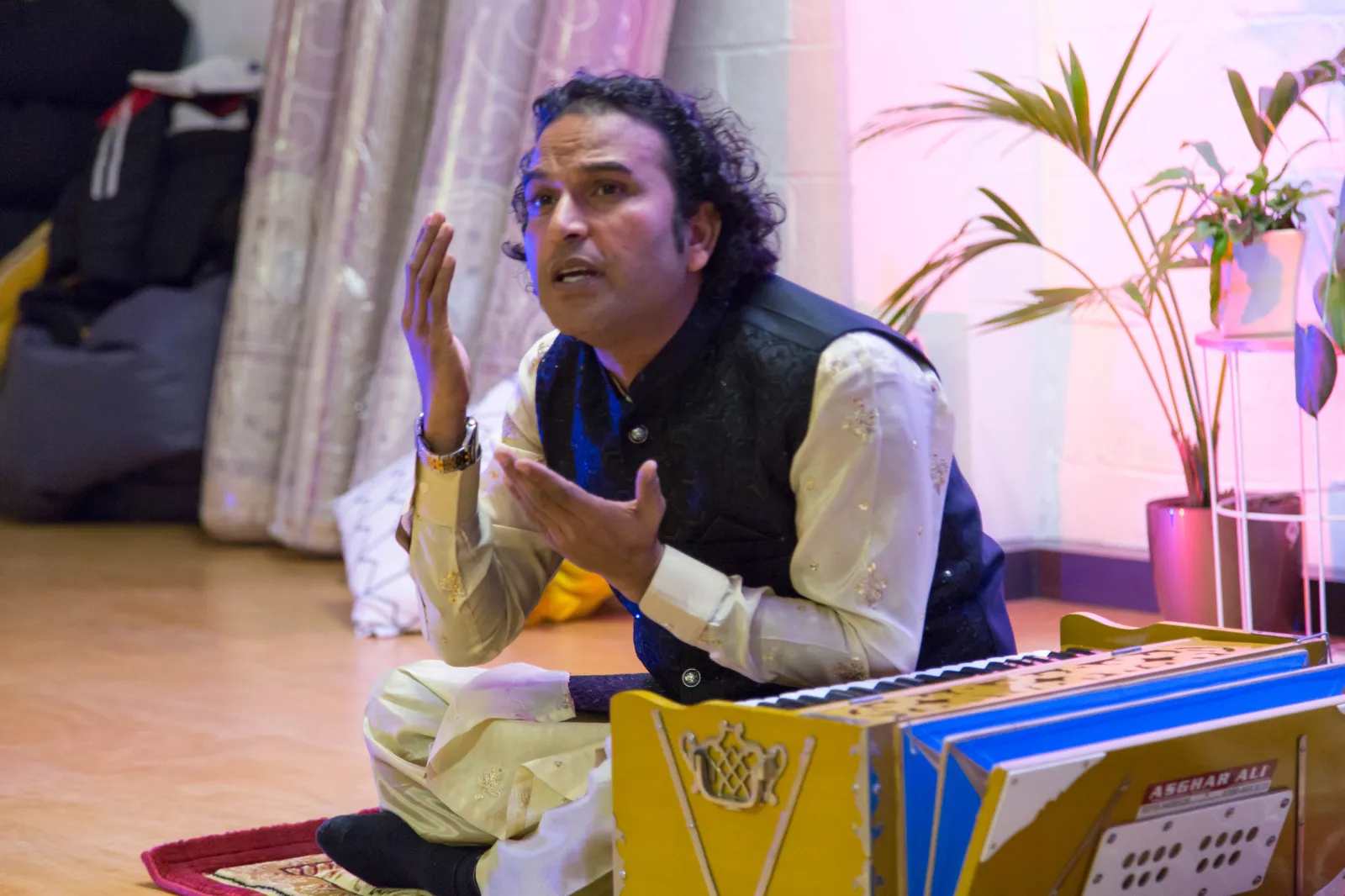
The artistic journey of the group is also connected to an important chain of classical musical learning. Ahsan Ali is a student of Akhtar Shareef Aroop Vale, who studied under Ustad Bakshi Salamat, who himself was a student of the great Ustad Fateh Ali Khan, father of Nusrat Fateh Ali Khan. This remarkable lineage places the group within one of the most respected traditions of Qawwali music in South Asia.
This connection reflects more than musical technique — it represents discipline, classical understanding, and the responsibility to honour the foundations of true Qawwali. It is this training and heritage that allows the group to perform with authenticity while preserving the emotional and spiritual power that defines the art form.
Over the years, Hamid Ahsan Noshahi Qawwali Group has earned national recognition through television appearances, newspaper features, radio interviews, and appreciation letters from arts councils and public institutions. Their presence on channels such as PTV, ARY QTV, 92 News HD, and other national platforms reflects the respect they have built through years of consistent and powerful performances.
The group’s journey has also expanded internationally, with invitation letters and planned performances across France, Spain, Norway, and Germany. Taking traditional Pakistani Qawwali to European audiences represents an important chapter in their history — sharing spiritual music beyond borders while remaining true to its original cultural depth.
Today, Hamid Ahsan Noshahi Qawwali Group continues to stand as a symbol of authentic Qawwali heritage. Their performances combine spiritual devotion, family tradition, and musical excellence in a way that keeps the original soul of Qawwali alive for modern audiences.
What began centuries ago as a family tradition remains alive today on stages, in shrines, and across international audiences. The mission remains unchanged: to preserve true Qawwali, honour its sacred roots, and carry its timeless voice into the future.
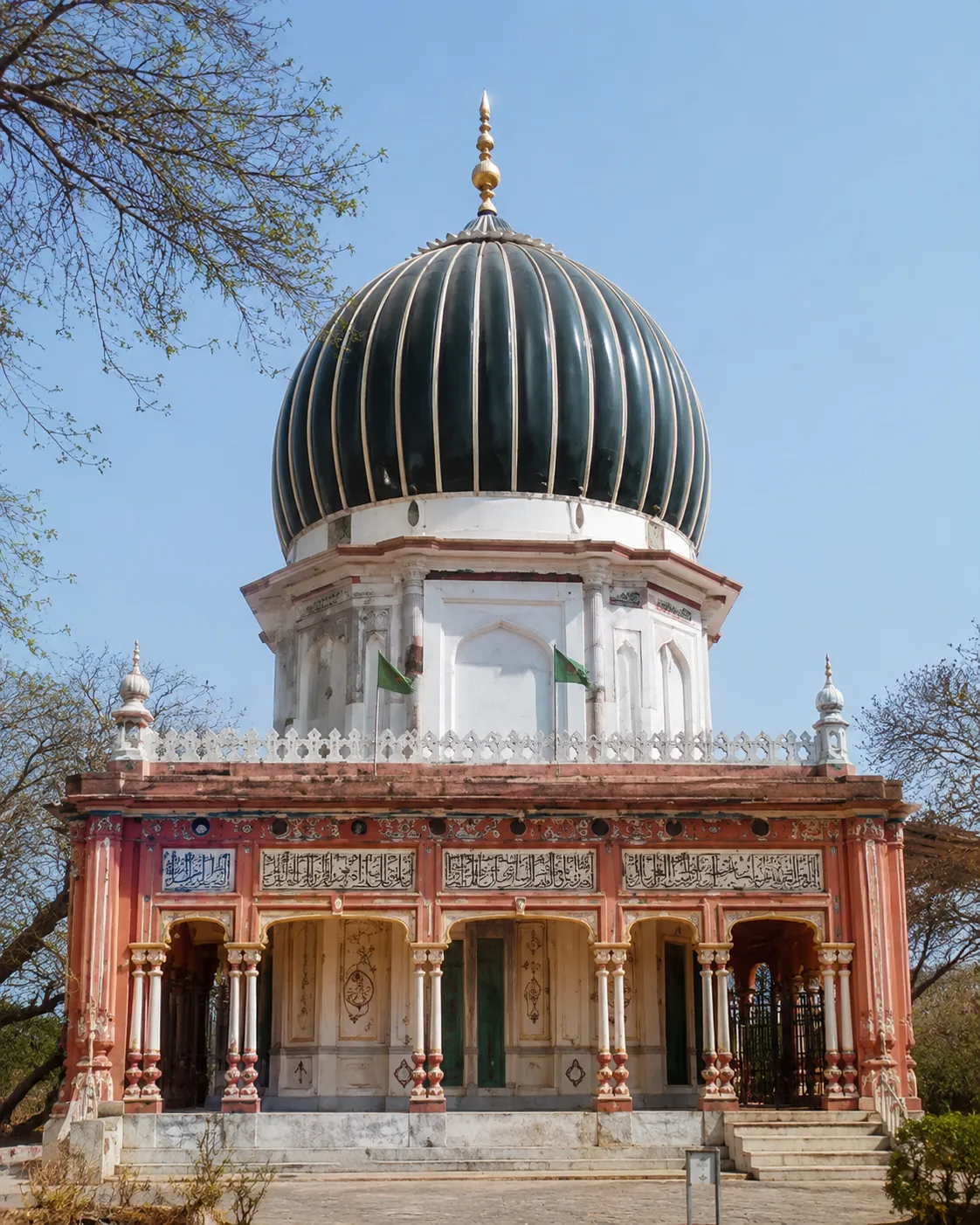
The shrine of Hazrat Noshah Ganj Baksh (RA) in Ranmal, Punjab, stands as one of the most important spiritual centres of the Naushahi Qadri tradition. Hazrat Noshah Ganj Baksh (RA), also known as Haji Muhammad Naushah, was a revered Sufi saint, scholar and poet whose teachings were rooted in divine love, humility and remembrance of Allah. His shrine continues to attract devotees who come to honour his legacy, seek spiritual reflection and remain connected to a sacred lineage that has shaped hearts across generations. Public historical references identify him as the founder of the Naushahiah branch of the Qadiriyya Sufi order, with his resting place located in Ranmal, near Phalia in Punjab, Pakistan.
For the Qawwali tradition, this shrine represents more than a historic place of devotion; it is a living source of inspiration. The poetry, praise and spiritual expression associated with the Naushahi path have continued through mehfils, Urs gatherings and devotional performances, where Qawwali becomes a bridge between heritage and worship. For artists connected to this tradition, including those carrying the Naushahi name, the shrine of Noshah Ganj Baksh (RA) reflects the origin of a sacred musical and spiritual journey — one where every kalam is performed not merely as music, but as remembrance, respect and devotion.
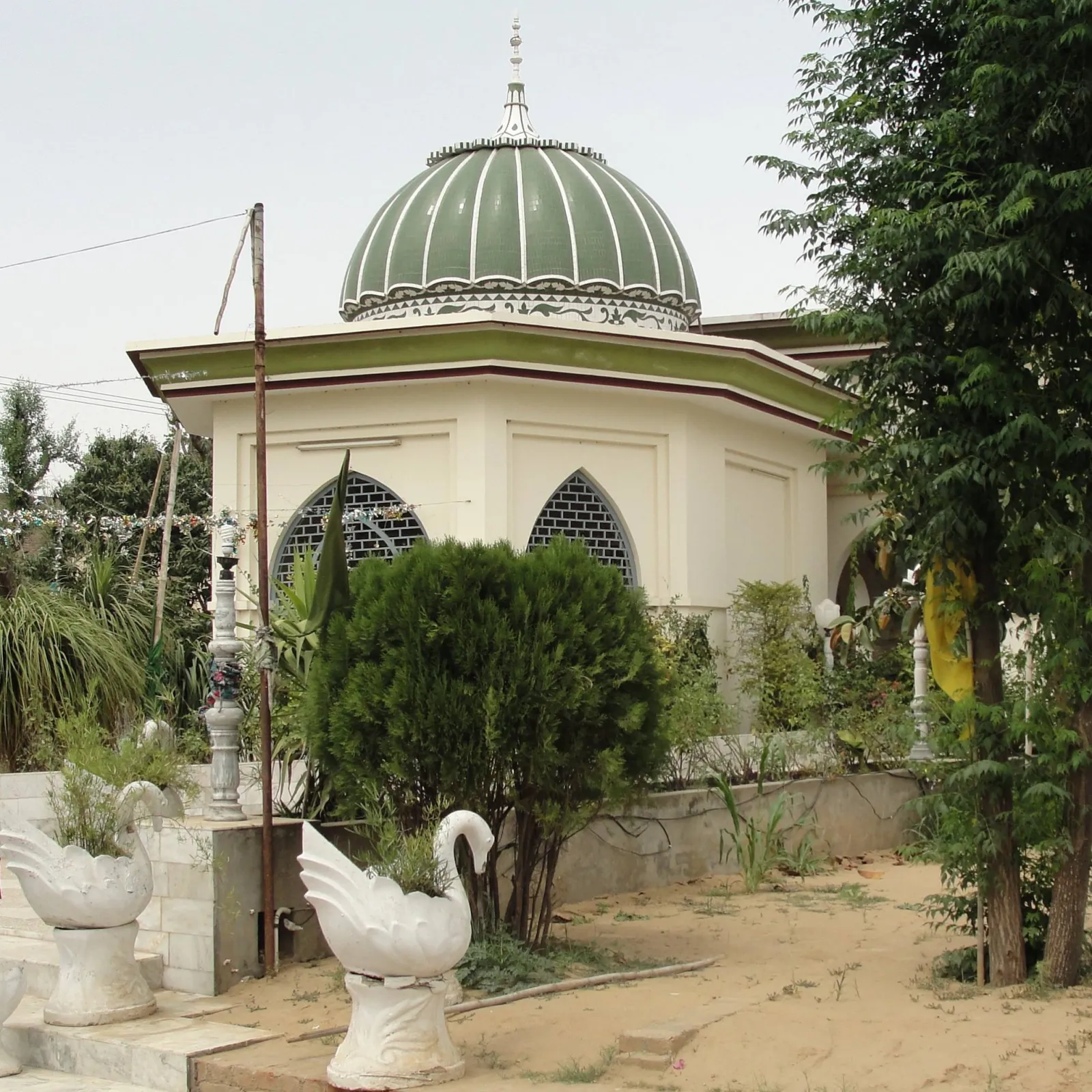
The shrine of Hazrat Chambi Wale Sarkaar (RA) in Sanghoi Shareef, Jhelum, holds a respected place among devotees of the Naushahi Qadri tradition. Known in public references as Darbar-e-Aalia Hazrat Chambi Wali Sarkar, the shrine remains closely associated with Urs gatherings, spiritual remembrance and the continuation of a deeply rooted Sufi heritage in Punjab. It is a place where devotees gather with love and reverence, keeping alive the values of faith, service, humility and attachment to the saints. Public Naushahi sources also identify the shrine with Hazrat Akbar Ali Shah Qadri Noshahi, famously known as Chambi Wali Sarkar.
Within the world of Qawwali, Sanghoi Shareef carries a special emotional and cultural importance. Mehfils held in honour of Chambi Wale Sarkaar (RA) are not simply performances; they are spiritual gatherings where poetry, rhythm and collective devotion come together. Qawwali in this setting becomes a form of remembrance, allowing devotees to express love for the saints and reconnect with the message of the Naushahi Qadri path. For a History page, this shrine can be presented as one of the living places where the sound of Qawwali continues to serve its original purpose — to awaken the heart, preserve sacred heritage and connect generations through devotion.
| Cookie | Duration | Description |
|---|---|---|
| cookielawinfo-checbox-analytics | 11 months | This cookie is set by GDPR Cookie Consent plugin. The cookie is used to store the user consent for the cookies in the category "Analytics". |
| cookielawinfo-checbox-functional | 11 months | The cookie is set by GDPR cookie consent to record the user consent for the cookies in the category "Functional". |
| cookielawinfo-checbox-others | 11 months | This cookie is set by GDPR Cookie Consent plugin. The cookie is used to store the user consent for the cookies in the category "Other. |
| cookielawinfo-checkbox-necessary | 11 months | This cookie is set by GDPR Cookie Consent plugin. The cookies is used to store the user consent for the cookies in the category "Necessary". |
| cookielawinfo-checkbox-performance | 11 months | This cookie is set by GDPR Cookie Consent plugin. The cookie is used to store the user consent for the cookies in the category "Performance". |
| viewed_cookie_policy | 11 months | The cookie is set by the GDPR Cookie Consent plugin and is used to store whether or not user has consented to the use of cookies. It does not store any personal data. |